
Environmental, Social And Governance (ESG) Principles
What does 'Sustainability' and 'Sustainable' Mean?
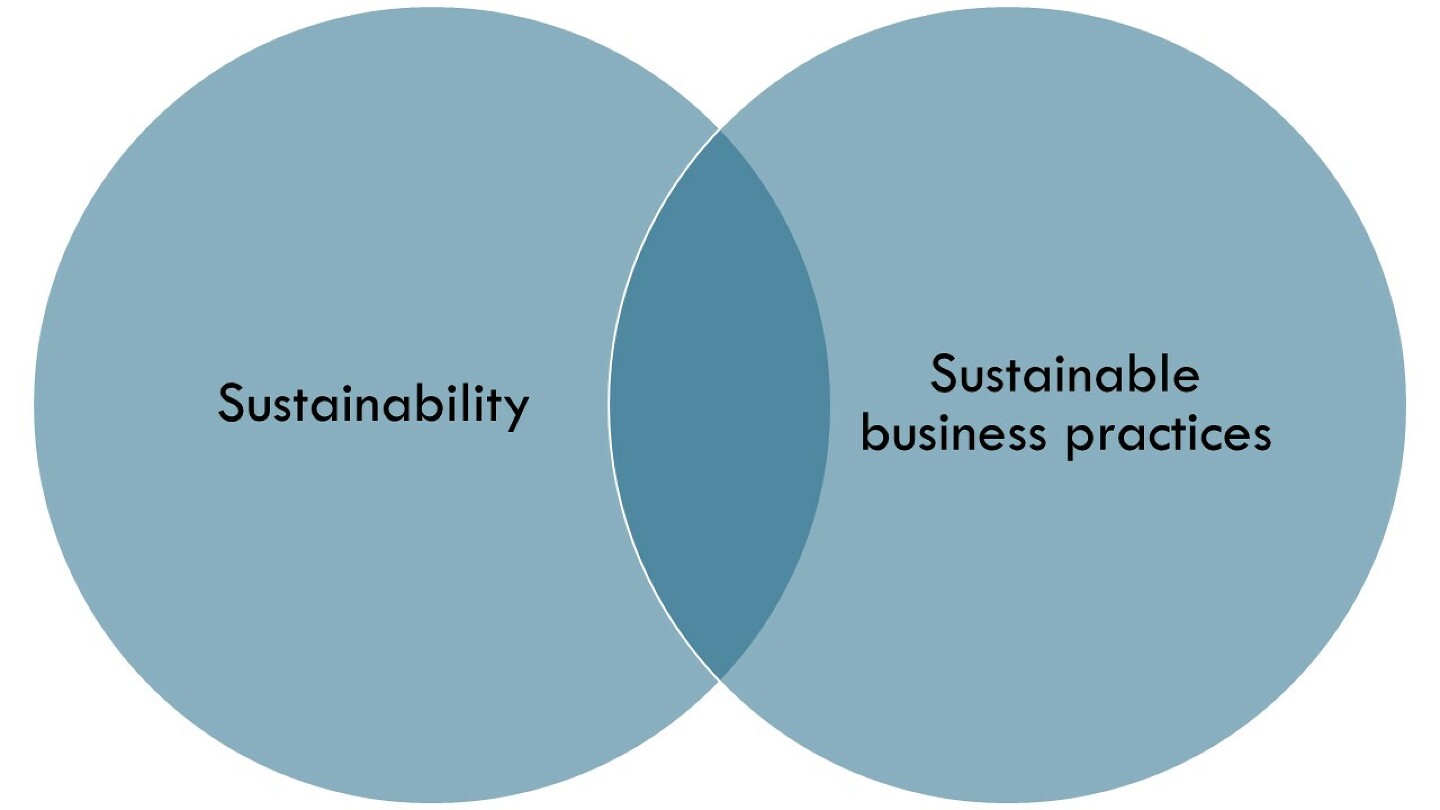
First, a bit of clarity around two common concepts. The words 'sustainability' and 'sustainable' in financial services can often be used interchangeably and refer to two interrelated concepts that sometimes cause confusion.
Sustainability
Sustainability is a broader concept that focuses on balancing economic growth, environmental protection, and social well-being to meet present needs without compromising future generations. While both emphasise long-term viability, sustainable business practices are specific actions within a bank's operations, whereas sustainability is the overarching goal.
Sustainability may involve financing renewable energy projects, supporting financial inclusion, and ensuring fair labour practices. Sustainable business practices make these goals actionable, such as offering green mortgages, promoting paperless transactions, or integrating ESG criteria in risk assessments.
Sustainable Business Practices
Sustainable business practices, on the other hand, refer to strategies that ensure long-term financial success while considering ESG factors. This includes responsible lending, ethical investments, green financing, and digital banking to reduce paper waste and carbon footprints.
The Vision and Means to Achieve It
The key difference is that sustainability defines the vision, while sustainable business practices are the means to achieve it. Both are essential for banks to remain competitive, increase brand reputation, and meet evolving regulatory and consumer expectations. By adopting sustainable business practices, retail banks contribute to broader sustainability objectives, aligning profitability with positive societal and environmental impact.