
Andrea Orcel’s European Banking Playbook
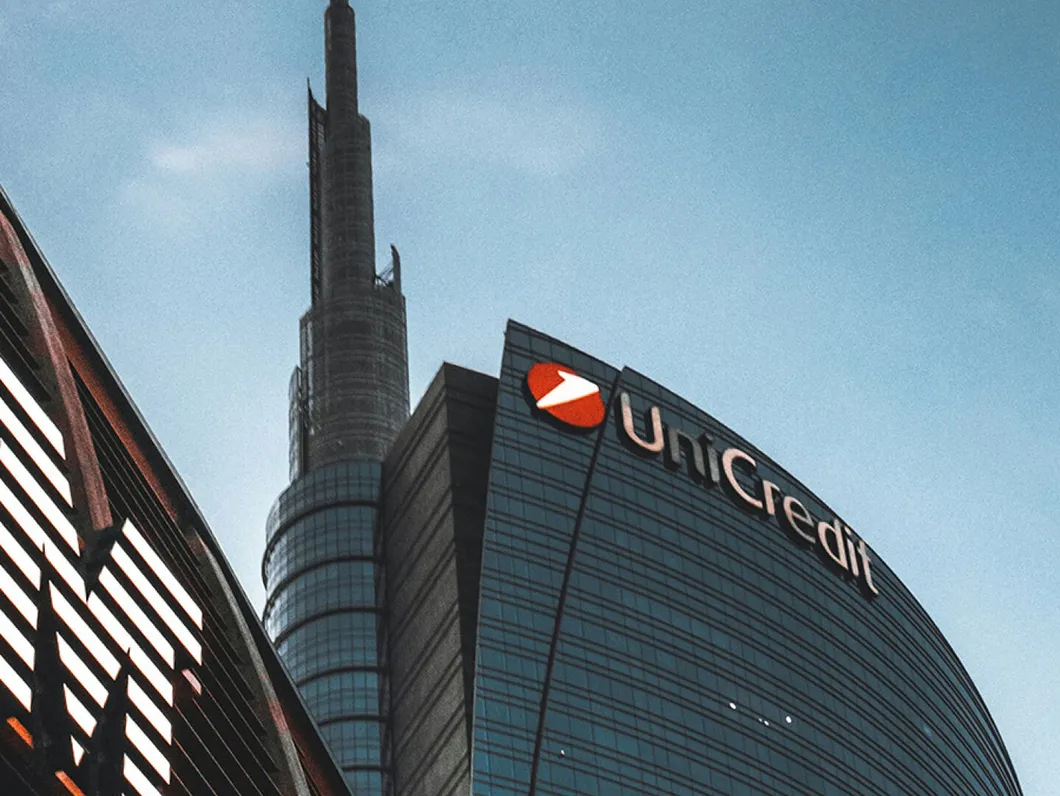
Andrea Orcel’s slow and stealthy dealmaking pays off
The union gives, but the governments take away. For years, the European Commission has been calling for cross-border banking mergers to create ‘European champions’ that can compete with the big American banks. Banks themselves want mergers too. Governments are not so keen when it comes to “their own” banks, fearing job losses, less banking competition and any potential drop in credit.
The Spanish government initially opposed the merger of BBVA and Sabadell. The German government has long opposed the merger of Commerzbank and Italy’s UniCredit. But the Italian banker Andrea Orcel may be about to break that resistance.
Two years after the UniCredit CEO came knocking on the door of the German government looking for a meeting over the Italian bank’s ambition to acquire Commerzbank, the German government has finally answered. With Commerzbank’s market capitalisation at around $52.5 billion (with UniCredit already holding almost half of the shares), this deal would be one of Europe’s biggest banking deal since the fateful 2007 acquisition of ABN AMRO by the consortium of RBS, Fortis and Santander. The two parties met on 14 September, with the German bank and government representatives setting out their wish list as the merger starts to take shape.
Andrea Orcel has form driving bank mergers
Orcel, once an investment banker with Merrill Lynch, made his reputation in the 1990s and 2000s as a leading dealmaker, engineering the merger of Credito Italiano and Unicredito in 1998 to form UniCredit, and the merger of Banco Bilbao Vizcaya and Argentaria to form BBVA. A confidant to former Santander boss Emilio Botín, Orcel was also the architect of the RBS-led acquisition of ABN AMRO, at the time a huge deal. With the finanicial crisis hitting in 2008, RBS and Fortis became over-extended, though Santander fared better, acquiring ABN AMRO’s Latin American assets and Antonveneta in Italy which it quickly sold on.
In 2012, Orcel joined UBS, and became head of its investment bank in 2014, the same year that Emilio’s daughter Ana Botín became chair of Santander. In 2018, Botín attempted to hire Orcel as chief executive but a dispute over Orcel’s pay package, with Santander inheriting obligations over shares Orcel would forfeit on leaving UBS, led to Santander pulling out of the deal. Orcel, who had by then quit UBS, sued for compensation and was awarded €43.4m by a Madrid court (though Santander is appealing the decision).
In 2021, Orcel was hired as CEO of UniCredit and started doing what the European Commission hoped for: creating a European banking champion. But he took a slow and stealthy approach to Commerzbank, quietly building a stake as the bank and the German government were deeply opposed to any takeover attempt – until it was too late.
“Orcel has been pursuing Commerzbank publicly since September 2024, with initially strong opposition from its management, workforce and the German government making it uncertain if he would prevail,” writes Bloomberg. “But UniCredit is now set to own just under 50% in the rival, forcing both Berlin and Commerzbank CEO Bettina Orlopp to the negotiating table.” The German government owns a little over 12 per cent of Commerzbank since helping to rescue the bank during the 2008 financial crisis.
Creating an SME champion
UniCredit owns HypoVereinsbank, one of Germany's larger banks, which it acquired back in 2005, and it would likely look to merge the two operations. Commerzbank is a major player in Germany’s Mittelstand, the medium-sized and often family owned and operated businesses that supply parts to major manufacturers. UniCredit itself is strong on SMEs and corporates in Italy and Central Eastern Europe, and has signalled it would close much of Commerzbank’s international operations to focus instead on Germany and Poland (where Commerzbank owns mBank). And while the ECB has long encouraged cross-border banking mergers to compete better with big US banks, governments have generally been reluctant to see their own national ‘champions’ being acquired.
“Commerzbank’s role in financing the German economy and its small and medium-sized enterprises is ‘a top priority’ and so is its position as ‘a major employer’ in the country’s financial capital, Frankfurt, (Finance Ministry spokesman) Lars Harmsen said. ‘It is important to ensure that this remains the case in the future,’ he said. ‘To this end, the government is coordinating closely. It is also in discussions with Commerzbank and the works council’.”
As Orcel’s bank acquired more shares, with the bank’s share price tripling, Commerzbank’s leadership began to concede the inevitable. According to a report by Reuters, Deputy CEO Michael Kotzbauer told the Commerzbank newsroom in August that the fight was over – but that Commerzbank had fought well. The German government said it will look for the bank’s listing to remain in Frankfurt, and will hold out to preserve jobs at the bank.
In the end, Orcel’s new and expanded bank would be closer to a commercial bank than a retail bank, despite a sizeable retail base of about 15 million customers. Instead it will be focused on SMEs and corporates – just the type of player the EU hopes could help European businesses compete better against the US and China.
Lafferty Group
Contact Us
enquiries@lafferty.com
caroline.hastings@lafferty.com
The Leeson Enterprise Centre
Altamont Street
Westport, Co. Mayo
Ireland
F28 ET85